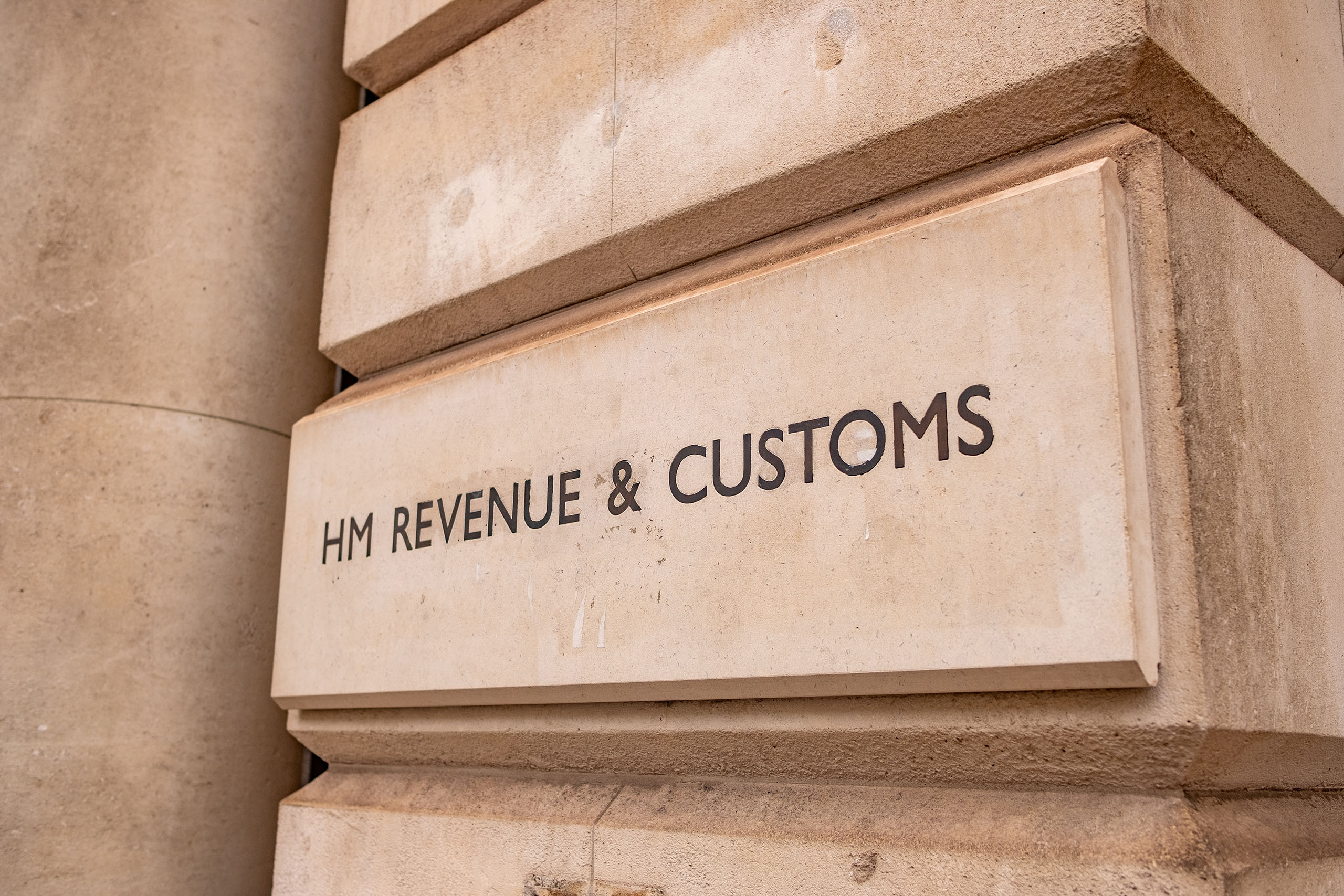
HMRC have ‘previous’ on issuing confusing and sometimes contradictory advice, but last week they surpassed themselves when they performed a handbrake-turn on advice issued only 7 days earlier.
There has long been a debate on whether or not double-cab pickups are truly commercial vehicles or should be considered as cars. Until two weeks ago, they were classed as commercial, but HMRC have long believed that most have been bought, not to transport goods, but simply to allow the owner to claim back all of the VAT or to allow employees a tax-free benefit.
So, on 12th February they issued updated guidance on the subject, which culminated in advice to all current and prospective purchasers of such vehicles. The new guidance stated that with effect from 1st July 2024, all such vehicles will be considered to be cars with all the massive negative tax implications that follow (no VAT reclaim, no first-year tax write-offs and punitive benefits-in-kind charges for employees if their employers allow them to take them home at night).
Double Cab Tax Dilemma: Why the U-turn?
Most accountants, including yours truly, had begun the laborious task of contacting all clients that could potentially be affected by the new advice, that was until HMRC’s screeching U-turn on 19th February. It will not come as a surprise that this was 24 hours before the start of the National Farmers Union’s (NFU) annual conference in Birmingham on 20th February, at which Rishi Sunak was giving the keynote speech.
Mr Sunak, who met with NFU leaders on the morning of the 19th, and listened to the concerns of farmers, especially on the impact of the changes to the tax treatment on double-cab pickups, the favourite vehicle of the farming community who, by and large, tend to vote Tory.
It may just me being cynical, but by 4pm the same day, Nigel Huddleston, financial secretary to the Treasury, had announced: “We will change the law at the next available Finance Bill in order to avoid tax outcomes that could inadvertently harm farmers, van drivers and the UK’s economy.”
Double Cab Tax Dilemma: Court ruling
The harsher tax rules removing the preferential treatment of double-cab pickups for benefit-in-kind purposes was set to come into effect from 1st July 2024. The change in treatment of this type of pickup has been hotly debated following the court of appeal decision in Coca-Cola vs R & C Commrs ruling that most multi-purpose vehicles, such as double-cab pickups, were in effect cars. But the ruling was highly technical as to what aspect of double use, removed a pick-up from the favourable purely commercial category.
The revised guidance from HMRC, clarifying the Coca-Cola Court of Appeal decision, has been in the preparation stage for many months. It is therefore ironic, that one week after HMRC finally published the new rules, presumably without first checking with Number 10, that the Prime Minister intervened, making these new rules immediately redundant.
Tax Accountant’s view
My first reaction to the government’s change of heart was one of dismay. I could not believe that after over three years deliberation on the issue (and after detailed consultations with all affected parties), they could just completely trash the proposal at virtually a moment’s notice. Perhaps there’s an election coming soon or is it just me being my cynical self!