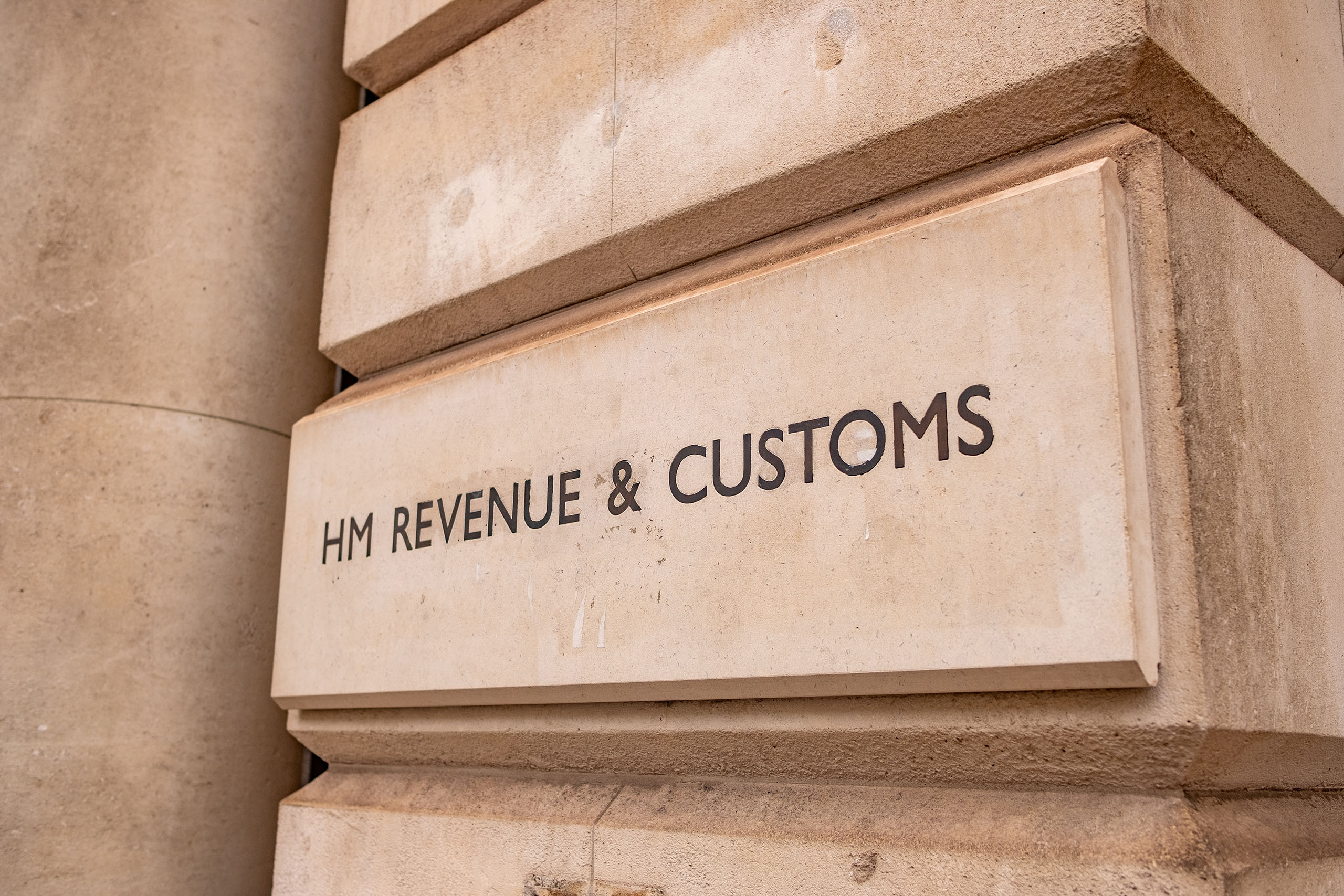
HMRC is to publish a list of businesses who are continuing to claim for furloughed employees in an attempt to reduce fraud. Employers will face the dilemma of whether to furlough employees or risk-averse publicity as new measures to name recipients come into force.
Chancellor Rishi Sunak has instructed HMRC to publish information about employers who submit claims under the extended Coronavirus Job Retention Scheme (CJRS) over December 2020 and January 2021.
What information is to be made public?
The instructions given to HMRC on what CJRS data is to be made public is to include the name of the employer and the amount of the CJRS claim. They will also publish the employer’s PAYE reference, which will enable an employee to check whether or not their employer has claimed for them.
The tax office will then post the information within three months of the claim on the gov.uk website. Also, the published details will only relate to claims made relating to periods later than 1st December 2020. The only exemption is that the Chancellor has agreed that HMRC can withhold publication, but only if the department believes it would expose any individual to serious risk of violence or intimidation.
“There are a lot of people on tenterhooks as to what this will look like in February, as that is when the publication will happen in respect to claims from December on,” said payroll lecturer and CJRS expert Kate Upcraft. “It’s to make businesses focus on whether their operations have been impacted by Covid-19 or, for example, do they normally close down over the festive season and have made a claim just to cover their holiday pay bill, which is not in the spirit of the scheme?”
An employer who only made claims from March to September 2020 and does not intend to request help again will not have their details published. However, employers who started to claim in March 2020 and intend to continue until March 2021 will have their details published for grants covering December 2020 to March 2021.
Negative publicity risks
“Employers may prefer not to submit claims under the extended CJRS, even where they are technically eligible to do so, to avoid this publicity, especially where the employer’s business is profitable,” said Hannah Ford of the law firm Stevens & Bolton.
Retailers that remained open during lockdowns have been under pressure to return government bailout handouts at a time when their rivals, along with hospitality businesses, have been forced to close. This is especially true of the business rates holiday, with handouts in excess of £2bn.
The biggest claimants were the supermarkets, who saw their sales soar throughout the crisis, but who also paid out dividends to shareholders and bonuses to bosses. When these details were published recently, they came under enormous pressure from MPs, and the public, for them to return the cash which they’ve now announced they will do.
In fact, the Big Four supermarket chains alone have promised to repay £1.69bn, which I suspect is why Rishi Sunak has extended the name and shame policy to the Coronavirus Job Retention Scheme (CJRS), to see what further savings can be made.
In my opinion Rishi is wrong to confine the publicity to claims made from 1st December, as there are many businesses who claimed for furloughed employees earlier this year, whilst still racking up significant profits. A prime example is Premiership football clubs, who all have rich owners and are still receiving hundreds of millions from Sky, BT and other broadcasters. When they were found out, the bulk of them decided that a CJRS claim was not worth the negative publicity.
Many financial experts believe that the decision to make the information public is an attempt to deter employers from applying under the scheme and may also be a means to deter fraudulent claimants as they may feel more likely to get caught out once their details are published.
Fraud reduction
The publicity measures follow recommendations from a recent National Audit Office (NAO) CJRS review that such publicity could help to reduce fraud by enabling employees to see whether their employer was making claims on their behalf. Large cash handouts have been funnelled away by criminals who took advantage of the minimal testing around the first furlough schemes, which were rolled out in a hurry to keep the economy moving.
The NAO now estimates that more than £3.9bn of public money may have been fraudulently claimed by businesses fraudulently claiming under the salary support scheme, whilst ordering employees to continue working during the lockdown.
The NAO report concluded that HMRC could have done more to make clear to employees that they were part of a furlough claim. “So HMRC are under pressure to find ways of deterring fraud and publication is definitely one of a range of options,” said a NAO spokesman.
When the CJRS was first launched, HMRC felt that publishing employer’s details risked deterring too many legitimate claims, the NAO found. If employees were not informed by their employer that a claim was made, they may not have been aware that of the potential fraud if they continued working.
The NAO estimate that between 5 and 10% of claims were fraudulent, partly because of the pressure to get the financial help out quickly with a ‘pay now, check later’ approach by HMRC. This time around, the formula is ‘check now, pay later and publish who got the money. Many larger businesses, including major financial services firms, decided from the start not to take any of the money to avoid negative public reactions.
Happy Christmas
Merry Christmas
This will be the last Blog for two weeks, as I suspect that most of you will be preoccupied with your festive activities and in any case, it is very unusual for any significant tax news to be announced during this period.
So, I would like to send warm wishes to you for Christmas and the New Year and let us all look forward to the pandemic rapidly receding in 2021.
MJ&Co offer a free initial consultation and out of hours appointments, including Saturday morning opening, making it easier to call in to see us out of normal working hours.
Efficiently manage your payroll, HR documentation, and employee communications through our secure employer portal, designed specifically for business administrators and HR professionals.
Manage all employee details, payroll data, and HR documents from one centralised platform. This integration simplifies administration and reduces the risk of errors.
Protect sensitive employee information with advanced security protocols designed to comply with data protection regulations and ensure confidentiality.
Update your information, request appointments, and communicate with your accountant directly from the portal. It simplifies routine tasks, saving you time and effort.
Directly communicate with your employees through the portal. Send updates, gather feedback, and manage HR inquiries efficiently, enhancing employee engagement.
Log In to Your Employer Portal
Efficiently manage your payroll, HR documentation, and employee communications through our secure employer portal, designed specifically for business administrators and HR professionals.
Manage all employee details, payroll data, and HR documents from one centralised platform. This integration simplifies administration and reduces the risk of errors.
Protect sensitive employee information with advanced security protocols designed to comply with data protection regulations and ensure confidentiality.
Update your information, request appointments, and communicate with your accountant directly from the portal. It simplifies routine tasks, saving you time and effort.
Directly communicate with your employees through the portal. Send updates, gather feedback, and manage HR inquiries efficiently, enhancing employee engagement.
Log In To Your Client Portal
Easily manage your accounts with MJ & Co Accountants. Our client portal offers secure and immediate access to all of your financial documents and resources, essential for efficient account management.
View and download your financial documents anytime, anywhere. Stay up-to-date with your financial status without waiting for postal mails or office visits.
Your data's security is our top priority. Our portal uses state-of-the-art encryption to ensure your financial information is protected from unauthorised access.
Update your information, request appointments, and communicate with your accountant directly from the portal. It simplifies routine tasks, saving you time and effort.
Upload necessary documents and receive completed files directly through the portal. This feature simplifies record keeping, essential for tax preparation and financial planning.